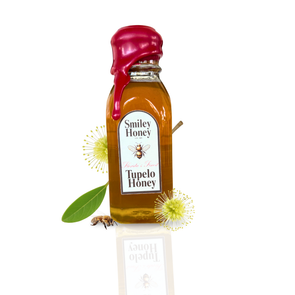
You’ve seen it on specialty store shelves, a golden jar priced three or four times higher than regular honey. Your first instinct might be skepticism. How can any honey justify that price tag? But tupelo honey has earned devoted fans who refuse to buy anything else. Many loyal buyers say it changed how they think about honey altogether.
So what’s the real story? Is this rare American honey genuinely worth the investment, or are you simply paying for clever marketing? The answer lies in understanding what makes tupelo different from every other honey on the market and why those differences matter for your kitchen, your health, and your taste buds.
What Makes Tupelo Honey A Unique Investment?
Most honey blends nectar from multiple flower sources, creating inconsistent flavors and textures. Tupelo honey comes exclusively from White Ogeechee Tupelo tree blossoms found only in the remote wetlands of Northwest Florida. These swamp-loving trees bloom for just two to three weeks each spring, creating an extremely limited harvest window that makes every jar precious.
The flavor stands apart immediately. Expect a fruity-floral sweetness that feels mesmerizing without overwhelming your palate. The buttery soft texture melts in your mouth, leaving a delicate finish that lingers pleasantly. Many customers consider it among the best honeys they have tasted.
Key Characteristics Worth Paying For:
- Naturally resistant to crystallization when pure
- Light golden color
- Fruity-floral aroma
- Buttery texture
- Pure single-source nectar
Health Benefits That Add Real Value to Tupelo Honey
Beyond exceptional taste, tupelo honey delivers measurable health advantages that cheaper alternatives cannot provide.
- Lower Glycemic Index: The unique fructose-to-glucose ratio makes this honey easier on blood sugar levels. People monitoring glucose responses often choose tupelo specifically because it causes less dramatic spikes than conventional honey varieties.
- Rich Antioxidant Content: Natural antioxidants help fight free radicals in your body. Raw, unfiltered tupelo honey preserves these beneficial compounds that processed honey loses during commercial filtering and heating.
- Beneficial Enzymes: Proper harvesting and minimal processing retain enzymes that support digestion and overall wellness. Mass-produced honey typically destroys these delicate compounds through pasteurization.
- Antimicrobial Properties: Natural antibacterial qualities support immune health. Many families keep tupelo honey on hand specifically for its wellness-supporting characteristics.
- Sustained Energy: The natural sugar composition provides energy without the crash that refined sugars cause. Athletes and health-conscious individuals appreciate this steady fuel source.
Why Tupelo Honey Commands Premium Prices?
Scarcity drives pricing more than any other factor. White Ogeechee Tupelo trees grow only in specific river basins throughout Northwest Florida, nowhere else on Earth. The Apalachicola and Chipola river systems provide the wet conditions these trees require, limiting production to a tiny geographic region.
The harvest window creates additional challenges. Beekeepers must position hives precisely when blossoms open and remove them before bees gather nectar from other flowering plants. One mistimed day can compromise an entire season’s purity. Spring storms frequently disrupt harvests, making some years significantly worse than others.
Factors That Justify Premium Pricing:
- Geographic limitation: Trees grow only in the Northwest Florida wetlands
- Two-to-three week bloom period: Extremely narrow harvest window
- Weather vulnerability: Storms can devastate annual production
- Labor-intensive harvesting: Requires expert timing and monitoring
- Purity standards: Authentic tupelo honey cannot contain other nectar sources
- Shrinking habitat: Development continues to reduce tupelo tree populations
How to Protect Your Tupelo Honey From Counterfeits?
Unfortunately, mislabeled honey floods the market. Some producers blend tupelo honey with cheaper varieties while still charging premium prices. Protecting your investment means knowing what genuine tupelo looks like.
- Check for Certifications: Look for “Tupelo True” certification, which verifies 100% purity through independent testing. OK Kosher certification and “Fresh From Florida” labels indicate additional quality standards.
- Observe the Texture: Authentic tupelo honey never crystallizes. If your jar turns grainy or solid, you purchased a blend or counterfeit product.
- Buy From Established Sources: Family-owned apiaries operating in Northwest Florida offer the most reliable authenticity. Companies managing their own hives, extraction, and bottling provide complete quality control from blossom to jar.
- Taste Test: Genuine tupelo honey has a distinctive fruity-floral profile that sets it apart immediately. Once you experience the real thing, imitations become obvious.
The Long-Term Value of Tupelo Honey
Consider what you actually receive for your money. A jar of authentic tupelo honey lasts indefinitely without crystallizing or degrading. The health benefits compound over time when consumed regularly. The superior flavor elevates every meal, tea, or recipe it touches.
Many mass-market honeys lack these advantages due to blending and heavy processing. It crystallizes within months, lacks meaningful health benefits after commercial processing, and delivers forgettable flavor that disappears into whatever you add it to. When calculated per use over the jar’s lifespan, premium tupelo often costs less than constantly replacing crystallized bargain honey.
How to Store Tupelo Honey to Preserve Its Value
Store at room temperature away from direct sunlight. Unlike other honey varieties, tupelo requires no special handling to prevent crystallization. Simply keep the jar sealed when not in use, and it remains perfect for years, protecting your investment indefinitely.
Takeaway
Investing in a premium honey comes down to consistency, purity, and long-term value. When a honey holds its texture, resists crystallization, and delivers a balanced sweetness every time, the higher price starts to make sense. For people who care about what goes into their food, quality is not an upgrade but a baseline.
That standard is reflected by producers like Smiley Honey, a long-established Florida apiary known for sourcing authentic tupelo honey from the Apalachicola River basin. With careful harvesting, strict purity certifications, and full control from hive to jar, their approach reflects what premium tupelo honey is meant to be rather than something mass-produced or blended.