Animal-care environments place unusual demands on flooring. Veterinary clinics, boarding facilities, shelters, and kennels routinely deal with moisture, cleaning chemicals, animal movement, food, waste, and frequent sanitation. However, an indoor treatment room does not experience the same conditions as an outdoor kennel run. Choosing one flooring system for every area can therefore create unnecessary maintenance or performance problems. Facility managers should evaluate how exposure, drainage, traction, cleaning, and temperature differ between indoor and outdoor spaces before selecting a flooring solution.
Indoor Areas Prioritize Hygiene
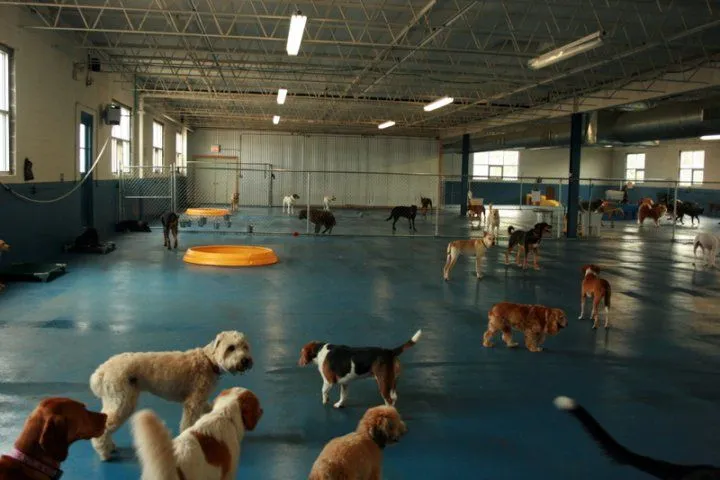
Indoor veterinary and kennel spaces generally require surfaces that are easy to clean repeatedly. Treatment rooms, examination areas, recovery spaces, and indoor runs may be sanitized several times during a normal working day.
Cracks, damaged grout, and porous surfaces can make these routines more difficult because liquids and debris may collect in irregular areas. Seamless resinous flooring can reduce joints and create a more manageable surface for routine cleaning.
Managers should also consider floor-to-wall transitions. Cove bases can create smoother connections between vertical and horizontal surfaces, reducing sharp corners where dirt and moisture may otherwise accumulate.
Cleaning Chemicals Matter
Animal facilities frequently use disinfectants, detergents, and other sanitation products. These products are necessary for maintaining clean environments, but repeated chemical exposure can affect flooring materials that were not designed for demanding cleaning schedules.
When considering a Kennel Veterinary Flooring Coating, facility operators should explain which cleaning products are commonly used and how frequently the floor is washed. This information helps determine whether the selected resin system and protective finish are appropriate for daily operations.
Chemical resistance should be evaluated as part of the entire flooring specification rather than treated as an optional feature.
Outdoor Spaces Face Different Conditions
Outdoor kennels introduce environmental factors that do not normally affect indoor flooring. Rain, sunlight, seasonal temperature changes, dirt, and changing moisture levels can all influence surface performance.
A flooring product that performs well inside a controlled building may not automatically be suitable outdoors. Exposure to ultraviolet light, for example, can affect certain resin materials over time. Outdoor areas therefore require systems selected specifically for environmental exposure.
Temperature changes also matter because exterior concrete experiences greater heating and cooling cycles than most interior slabs. The condition and movement of the substrate should be considered before installation.
Drainage Becomes Even More Important
Drainage influences cleanliness and usability in both indoor and outdoor kennels, but exterior areas may receive additional water from weather as well as routine washdowns.
Poorly drained surfaces can leave standing water in animal runs and walking areas. This may complicate sanitation and create unnecessary slipping concerns for staff and animals.
Facilities evaluating Outdoor Dog Kennel Flooring Nj should examine existing slopes, drain placement, and water-flow patterns before applying a new flooring system. A coating cannot correct every drainage problem by itself, so substrate and slope issues should be identified during the planning stage.
Traction Requires Balance
Animal facilities need enough surface texture to provide practical traction, particularly in areas exposed to water. Yet an extremely rough finish may create other problems.
Aggressive textures can be more difficult to clean and may be uncomfortable for animals that spend significant time walking or resting on the surface. Conversely, overly smooth flooring may become less suitable when wet.
The appropriate texture depends on the location. An indoor examination area may require a different profile from an outdoor run, bathing station, or washdown zone. Matching texture to actual use provides a better balance between traction, animal comfort, and maintenance.
Concrete Preparation Remains Essential
Whether flooring is installed indoors or outdoors, the underlying concrete must be properly assessed. Existing coatings, contamination, cracks, weak surface material, and moisture can all affect adhesion.
Mechanical preparation can remove unsuitable material while creating the profile needed for the new system. Damaged concrete should also be repaired before flooring layers are applied.
Skipping this stage may save time initially, but it can increase the likelihood of peeling, delamination, or recurring repairs later.
Plan Maintenance by Location
Indoor and outdoor flooring should not necessarily follow identical maintenance routines. Interior spaces may need frequent sanitation, while exterior runs may accumulate soil, leaves, and environmental debris.
Managers should establish cleaning procedures appropriate to each surface and periodically inspect high-use areas, drains, edges, and transitions. Small defects should be addressed before water or repeated traffic enlarges them.
Staff should also understand which cleaning chemicals and tools are compatible with the installed system.
Conclusion
Animal-care flooring performs best when each area is evaluated according to its actual environment. Indoor spaces place strong emphasis on sanitation, chemical resistance, and easy cleaning, while outdoor areas add concerns such as weather exposure, drainage, temperature changes, and environmental debris.
Instead of applying one flooring specification throughout an entire facility, managers can achieve better results by considering how individual spaces function. Proper substrate preparation, suitable texture, effective drainage, compatible materials, and location-specific maintenance can create flooring that better supports animals, employees, and everyday facility operations.