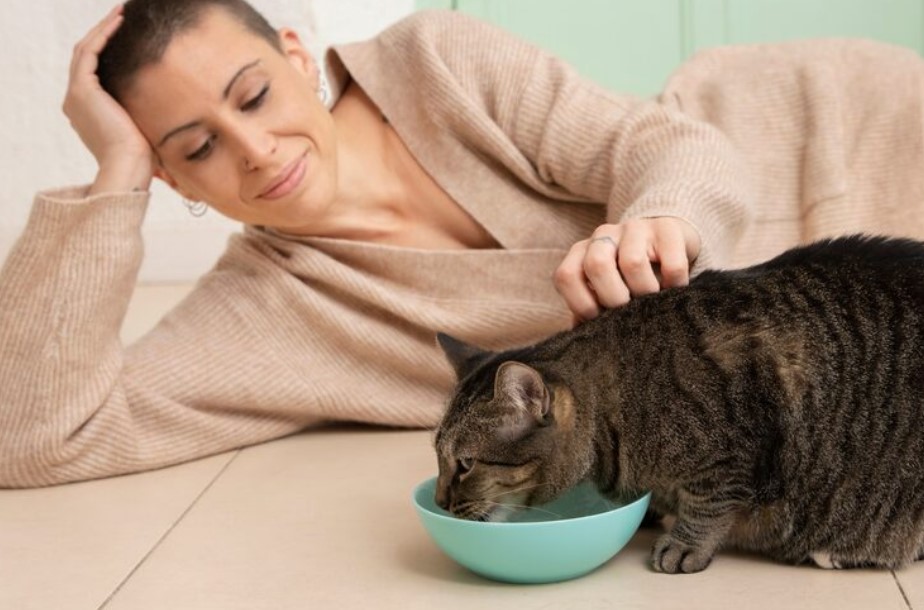
Choosing the right food for your cat can feel confusing. Walk into any pet store, and you will find dozens of options claiming to be the best choice. But how do you know which one truly supports your cat’s health?
The healthiest wet cat food is not always the most expensive option or the one with the most attractive packaging. The right choice depends on your cat’s age, activity level, health needs, and the quality of ingredients inside the can or pouch.
Wet cat food has become a popular choice among pet parents because it provides extra moisture, supports hydration, and often has a texture cats enjoy. However, not every wet food formula offers the same nutritional value.
So, what should you look for when choosing wet food for your feline friend? Let’s break down the key factors that help you make a smarter decision.
Table of Contents
-
Why Wet Cat Food Is Important for Feline Health
-
What Makes the Healthiest Wet Cat Food?
-
How to Read Wet Cat Food Labels
-
Choosing the Best Wet Cat Food for Indoor Cats
-
Ingredients to Avoid in Wet Cat Food
-
Choosing Food Based on Your Cat’s Needs
-
Tips for Switching Your Cat to New Wet Food
-
FAQs About Healthy Wet Cat Food
Why Wet Cat Food Is Important for Feline Health
Cats are naturally designed to get much of their moisture from their prey. Unlike dogs, many cats do not have a strong thirst drive, which means they may not drink enough water throughout the day.
This is where wet food can help.
Supports Better Hydration
One of the biggest benefits of wet cat food is its high moisture content. Most wet cat foods contain around 70–80% water, helping cats increase their daily fluid intake.
Proper hydration supports:
-
Healthy kidney function
-
Normal urinary health
-
Better digestion
-
Overall wellness
Cats that mainly eat dry food may need additional water sources, especially if they do not drink frequently.
Provides Balanced Nutrition
A quality wet food formula provides important nutrients cats need every day, including:
-
Animal-based protein
-
Healthy fats
-
Vitamins
-
Minerals
-
Taurine
Cats are obligate carnivores, meaning their bodies are built to use nutrients found mainly in animal sources. This makes protein quality one of the most important factors when selecting food.
Helps With Weight Management
Many indoor cats have lower activity levels compared to outdoor cats. Because of this, they can gain weight if they consume too many calories.
Wet food can help with portion control because it usually contains fewer calories per serving compared to some dry foods while helping cats feel full due to its moisture content.
What Makes the Healthiest Wet Cat Food?
Not all wet cat food formulas are created equally. A healthy option should focus on quality ingredients rather than unnecessary fillers.
Here are the most important things to check.
High-Quality Animal Protein Comes First
The first ingredient listed on the label matters.
Look for clearly named protein sources such as:
-
Chicken
-
Turkey
-
Salmon
-
Beef
-
Duck
A good wet food formula should provide enough animal protein to support:
-
Strong muscles
-
Healthy energy levels
-
Normal body function
Avoid formulas where the main ingredients are vague descriptions like “meat by-products” without clear information about the source.
Healthy Fats Support Skin and Coat Health
Fats are an important part of feline nutrition. They provide energy and help maintain healthy skin and a shiny coat.
Omega-3 and omega-6 fatty acids are especially beneficial because they support:
-
Skin health
-
Coat condition
-
Immune function
A balanced formula includes the right amount of healthy fats without excessive calories.
Essential Vitamins and Minerals Matter
A complete wet cat food should include essential nutrients such as taurine.
Taurine is especially important for cats because it supports:
-
Heart health
-
Vision
-
Normal body functions
Cats cannot produce enough taurine naturally, so it must come from their diet.
How to Read Wet Cat Food Labels Like an Expert
Understanding pet food labels helps you choose better options instead of relying only on marketing claims.
Check the Ingredient List
Ingredients are listed by weight, with the highest amount appearing first.
A strong formula usually starts with:
-
Named meat or fish sources
-
Quality animal proteins
-
Nutrient-rich ingredients
Look beyond attractive claims like “premium” or “natural.” The ingredient list tells the real story.
Understand Guaranteed Analysis
The guaranteed analysis shows the percentage of nutrients in the food.
Pay attention to:
-
Protein content
-
Fat content
-
Fiber levels
-
Moisture percentage
Remember that wet food naturally has more moisture, so comparing protein levels between wet and dry food requires looking at dry matter content.
Look for Complete and Balanced Nutrition
A healthy daily diet should provide complete nutrition for your cat’s life stage.
Look for formulas that meet established nutritional standards, such as those set by the Association of American Feed Control Officials (AAFCO).
Foods labeled as complete and balanced are designed to provide the nutrients cats need for daily feeding.
Choosing the Best Wet Cat Food for Indoor Cats
Indoor cats often have different nutritional needs than outdoor cats.
They usually:
-
Exercise less
-
Burn fewer calories
-
Spend more time resting
-
May develop weight-related issues
Choosing the best wet cat food for indoor cats means finding a formula that supports health while matching their lifestyle.
Consider Your Cat’s Activity Level
An indoor cat that spends most of the day sleeping may need fewer calories than an active outdoor cat.
Look for:
-
High-quality protein
-
Moderate calories
-
Balanced fat levels
Portion control is also important. Even healthy food can contribute to weight gain if your cat eats more calories than needed.
Support Digestive Health
Indoor cats often deal with hairballs because they groom themselves frequently.
Some wet food formulas include:
-
Fiber sources
-
Digestive-supporting ingredients
-
Easily digestible proteins
These ingredients may help support smoother digestion.
Focus on Healthy Weight
A protein-rich diet can help maintain lean muscle while managing body weight.
For indoor cats, a good formula should provide nutrition without unnecessary calories from fillers.
Ingredients to Avoid in Wet Cat Food
While ingredient quality is important, knowing what to limit is equally helpful.
Excessive Fillers
Some formulas contain large amounts of unnecessary fillers that provide little nutritional value.
Avoid foods where low-value ingredients replace important animal proteins.
Artificial Colors and Flavors
Cats do not choose food based on color. Artificial coloring is mainly used for human appeal.
A quality formula does not need artificial colors to look attractive.
Low-Quality Protein Sources
Protein quality matters more than simply looking at the protein percentage.
A food with clearly identified animal proteins is usually a better choice than one using unclear sources.
How to Choose Wet Cat Food Based on Your Cat’s Needs
Every cat is different. The right food depends on their stage of life and health requirements.
Wet Food for Kittens
Kittens need extra nutrients because they are growing quickly.
Look for:
-
Higher calories
-
More protein
-
Nutrients that support development
Kitten formulas are designed to support growth during their early months.
Wet Food for Adult Cats
Adult cats need balanced daily nutrition.
The best wet cat food should provide:
-
Quality protein
-
Healthy fats
-
Essential vitamins
-
Proper calorie levels
Wet Food for Senior Cats
Older cats may need food that supports aging bodies.
Senior formulas often focus on:
-
Easy digestion
-
Maintaining muscle
-
Supporting overall wellness
Wet Food for Sensitive Cats
Cats with sensitive stomachs may benefit from:
-
Limited ingredient formulas
-
Gentle protein sources
-
Easily digestible recipes
Tips for Switching Your Cat to New Wet Food
Cats can be very particular about food changes. A sudden switch may cause digestive issues or food refusal.
Follow these steps:
-
Mix a small amount of new food with the current food.
-
Slowly increase the new food over 7–10 days.
-
Watch for changes in appetite or digestion.
-
Keep feeding times consistent.
Patience is important. Some cats need extra time to accept a new texture or flavor.
Expert Tips for Finding the Best Wet Cat Food
When choosing food for your cat, remember these simple tips:
-
Always check the ingredient list first.
-
Choose food based on your cat’s age and lifestyle.
-
Prioritize animal-based protein.
-
Avoid making choices based only on advertisements.
-
Monitor your cat’s weight and energy levels.
The best food is the one that supports your cat’s health and fits their individual needs.
Final Thoughts: Choosing the Right Wet Food for Your Cat
Finding the healthiest wet cat food does not have to be complicated. Start by checking the ingredients, focusing on animal-based protein, proper hydration, and balanced nutrition.
Every cat has different needs. A playful kitten, a relaxed indoor cat, and a senior feline may all require different formulas.
Take time to understand your cat’s lifestyle, choose a quality food option, and monitor how your cat responds. The right wet food can support better hydration, healthy weight, strong muscles, and a happier life.
Your cat depends on you for every meal. Choosing better nutrition today can help create healthier years ahead.
FAQs About the Healthiest Wet Cat Food
1. Is wet cat food healthier than dry cat food?
Wet and dry foods can both be part of a healthy diet. Wet food offers more moisture, which can benefit cats that do not drink enough water. The healthiest choice depends on your cat’s needs and the quality of the formula.
2. What should the healthiest wet cat food contain?
The healthiest wet cat food should contain high-quality animal protein, essential nutrients, healthy fats, taurine, and balanced vitamins and minerals.
3. What is the best wet cat food for indoor cats?
The best wet cat food for indoor cats should provide quality protein, controlled calories, and ingredients that support digestion and healthy weight management.
4. How often should cats eat wet food?
Many cats do well eating wet food once or twice daily, depending on their calorie needs, lifestyle, and feeding routine.
5. Can cats eat only wet food?
Yes, cats can eat only wet food if it is a complete and balanced formula designed for their life stage.